 English
 中文简体
 русский
 Français
 Español
 عربى
 Indonesia

Street Light HS-FF19A: A Practical Platform for Efficient, Durable, and Connected Outdoor Illumination
Modern streets require more than a bright fixture mounted on a pole. A successful outdoor lighting project must provide dependable visibility, controlled energy consumption, long service life, mechanical strength, visual comfort, and straightforward maintenance. It must also adapt to different road layouts, municipal requirements, industrial environments, and urban development plans. The HS-FF19A Street Light is designed as a professional LED outdoor lighting solution for these demanding applications.
Developed for roadways, residential streets, industrial access roads, parking areas, public spaces, and municipal infrastructure, the HS-FF19A represents the transition from conventional outdoor luminaires to efficient solid-state lighting. Its value is not limited to the LED light source itself. The complete solution depends on optical engineering, heat management, housing quality, electrical reliability, manufacturing precision, quality control, and the ability to customize the fixture for a particular project.
Cixi HuaSheng Lighting Co., Ltd. manufactures the HS-FF19A within a broader product portfolio that includes LED facade lighting, industrial lighting, solar lighting, explosion-proof lighting, tunnel lights, high-bay fixtures, linear luminaires, garden lights, grow lights, and other professional lighting products. The company combines die-casting, CNC machining, aging lines, photometric testing, mold development, and project support to provide a complete manufacturing and engineering service for international customers.
This article examines the design logic, performance advantages, manufacturing strengths, application value, customization potential, installation considerations, and purchasing factors associated with the HS-FF19A Street Light. Since final performance depends on the selected configuration and project conditions, the product should be specified according to the required wattage, optical distribution, color temperature, control method, mounting arrangement, environmental conditions, and applicable local standards.
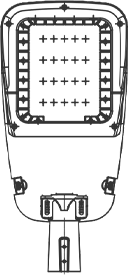
Street Light
1. The Role of a Modern LED Street Light
Street lighting is a critical part of public infrastructure. It supports the movement of vehicles and pedestrians, improves the legibility of roads, helps drivers identify intersections and obstacles, and contributes to a stronger sense of safety after dark. In commercial and residential developments, good lighting also improves the appearance and usability of outdoor areas. In industrial locations, it supports logistics, loading operations, security patrols, and nighttime maintenance.
Traditional high-pressure sodium, metal halide, and other discharge lamps have served cities for decades, but they can involve high energy consumption, delayed start-up, frequent lamp replacement, and limited control flexibility. Their light distribution may also be less precise than that of a modern LED luminaire. By contrast, LED technology can produce directional light, rapid switching, dimming capability, long operating life, and a broad range of color temperatures.
However, not every LED street light provides the same value. A weak housing design, poor thermal path, inadequate sealing, low-quality driver, inconsistent optical components, or insufficient quality control can reduce the practical benefits of LED technology. For this reason, a street light should be evaluated as an integrated system rather than simply by its nominal wattage or LED brand.
The HS-FF19A is intended to address this system-level requirement. Its purpose is to combine an efficient LED light source with a robust outdoor housing, controlled optical performance, dependable power management, and a production process suitable for repeatable project supply. This approach is especially important for buyers who need consistent products across multiple roads, cities, factories, campuses, or development phases.
2. Product Overview: HS-FF19A Street Light
The HS-FF19A is an LED street lighting product categorized under professional outdoor lighting. It can be considered a project-oriented luminaire rather than a simple replacement lamp. The fixture is suitable for applications where the light must be distributed along a roadway or open area, while glare, wasted upward light, maintenance difficulty, and excessive energy use must be controlled.
The final specification can be adapted according to project requirements. Typical specification decisions may include LED power, lumen output, color temperature, color rendering performance, light distribution, surge protection, driver selection, dimming method, mounting angle, housing finish, and cable or connector arrangement. This configuration-based approach enables the same product platform to serve different road widths, pole heights, traffic conditions, and lighting classifications.
For a procurement team, the most important point is that the product should be selected through a complete application review. A street light that performs well on a narrow residential lane may not be the best choice for a high-speed arterial road. Similarly, a luminaire designed for an ordinary urban environment may require additional protection or a different material specification in a coastal, dusty, chemically exposed, or industrial location.
HuaSheng’s engineering and manufacturing capabilities support this type of project-based selection. The company offers lighting solutions, DIALux design support, mold design, OEM and ODM development, and SKD or CKD customization. These services allow customers to discuss not only the fixture but also the relationship between the luminaire, pole, road geometry, mounting height, spacing, and required illumination level.
Core Product Considerations
The HS-FF19A should normally be evaluated through the following categories:
Optical performance: The luminaire should deliver light where it is needed on the road surface, while reducing unnecessary spill, glare, and direct upward emission.
Thermal performance: The housing and heat-dissipation structure should help transfer heat away from the LED modules and driver, supporting stable operation over repeated nighttime cycles.
Electrical reliability: The driver, surge protection, wiring, insulation, grounding, and connectors should be selected for outdoor operation and the electrical conditions of the installation site.
Mechanical durability: The housing, mounting interface, fasteners, and finish should withstand vibration, weather exposure, temperature changes, and routine maintenance activity.
Serviceability: Access to key components, replacement procedures, cleaning requirements, and spare-part availability should be considered during procurement.
Project adaptability: The light should be available in configurations that suit the required road class, pole arrangement, control system, and local compliance conditions.
3. Advantages of LED Technology in Street Lighting
The most visible advantage of an LED street light is its ability to convert electrical power into useful illumination with greater control than many legacy technologies. LEDs are compact, directional, and individually controllable. A properly engineered luminaire can use optical lenses and reflector geometry to distribute light across a roadway without relying on excessive fixture output.
This directional capability may help reduce energy waste. Instead of illuminating large areas above or beside the road, the fixture can be designed to direct more light toward the pavement, pedestrian zones, intersections, or other defined areas. The result is not automatically guaranteed by the LED source alone; it depends on the optical design, mounting height, pole spacing, and lighting calculation. Nevertheless, LED technology provides the foundation for this more precise approach.
LEDs also offer immediate start-up. Unlike some discharge lamps that require warm-up time or may need to cool before restarting, an LED street light can generally switch on rapidly. This supports scheduled operation, adaptive dimming, emergency lighting, motion-based control, and smart-city integration when the appropriate control equipment is specified.
Another advantage is controllability. Municipal and commercial operators may choose to reduce lighting output during low-traffic hours, increase output in response to special events, or connect the lighting system to a central management platform. A compatible LED luminaire can support these strategies more easily than many conventional fixtures.
LED fixtures can also reduce maintenance frequency when the housing, driver, thermal design, and LED modules are properly engineered. Maintenance savings are particularly important on roads with heavy traffic, tall poles, difficult access, or high labor costs. A longer operating cycle can reduce the number of lift-truck visits, lane closures, replacement lamps, and emergency service calls.
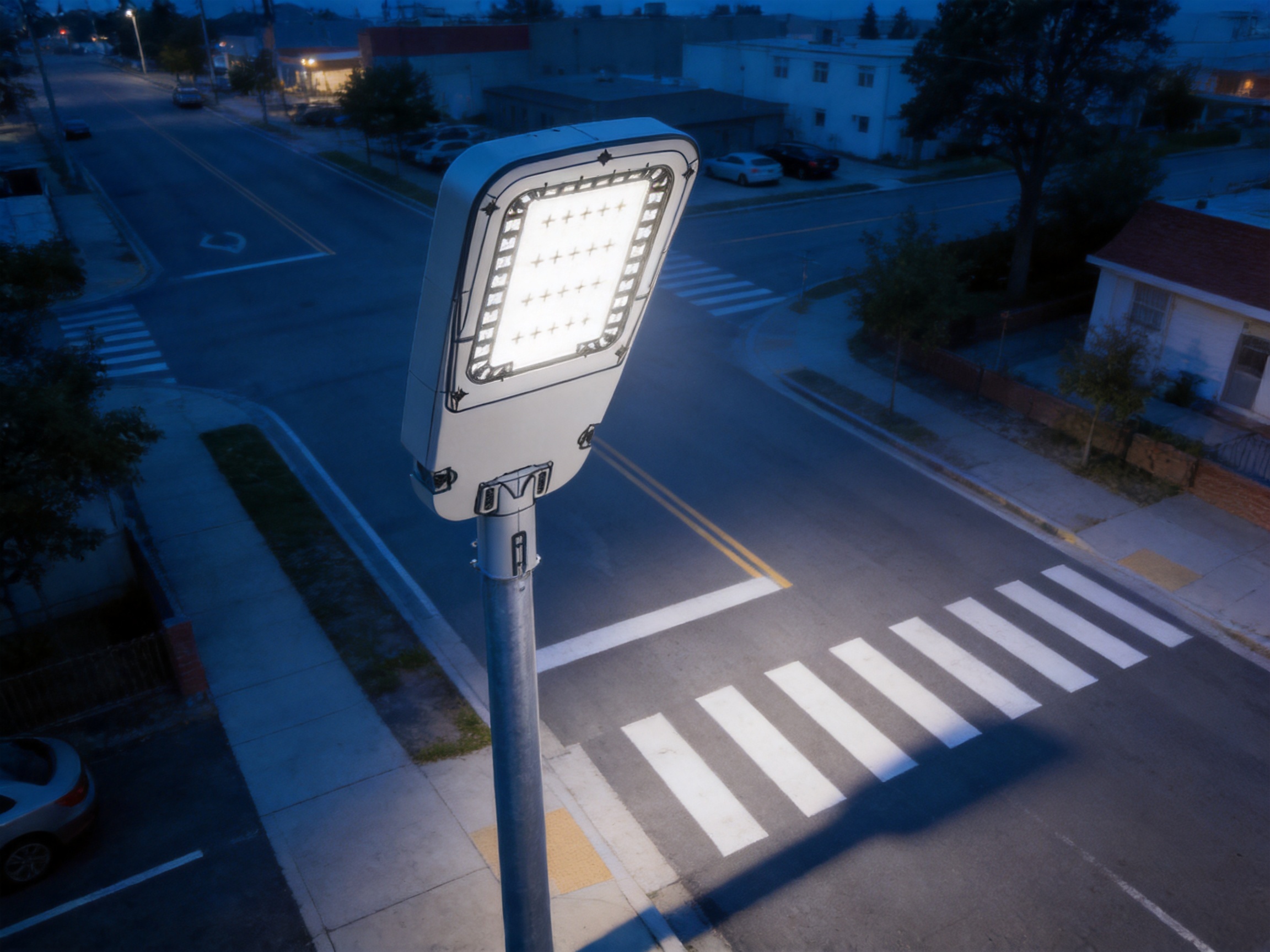
4. Optical Performance and Roadway Visibility
Street lighting is successful when it creates useful visual conditions, not merely when it produces a high lumen number. The road surface, vehicle movement, pedestrian activity, surrounding buildings, trees, signs, and weather conditions all influence how light is perceived. A high-quality street light therefore requires a considered optical system.
The HS-FF19A can be configured for different optical requirements according to the application. Roadway projects may require a forward-throw pattern, a broad distribution, or a more concentrated arrangement depending on the pole height and spacing. Residential streets may prioritize comfortable uniformity and reduced glare. Industrial roads may require clear illumination around turning areas, loading zones, entrances, and security boundaries.
Good optical distribution can improve uniformity. Uniformity is important because abrupt transitions between bright and dark areas can reduce visual comfort and make it more difficult for drivers or pedestrians to identify objects. A professionally designed layout uses photometric data to determine the distance between poles, the mounting height, the overhang, the tilt angle, and the selected optical distribution.
Glare control is another important consideration. Excessive glare can reduce visual comfort, distract drivers, and diminish the perceived quality of an urban environment. The appropriate solution may involve optical shielding, careful aiming, a suitable light distribution, controlled luminance, and correct installation height. These decisions should be validated through project calculations rather than selected solely from a catalog image.
Color temperature also affects the appearance of the street and the visual response of users. Cooler white light can create a crisp appearance and may be selected for certain industrial or high-visibility environments. Warmer or neutral white light can provide a more comfortable atmosphere in residential districts, historic areas, parks, and pedestrian-oriented developments. The best selection depends on local regulations, project objectives, surrounding architecture, and community expectations.
HuaSheng’s DIALux design support can help translate these considerations into a practical lighting plan. Using the relevant roadway dimensions and fixture data, a project team can review average illuminance, minimum illuminance, uniformity, glare-related considerations, and the overall arrangement before installation.
5. Thermal Management and Long-Term Stability
Heat is one of the main factors influencing the long-term reliability of an LED luminaire. Although LEDs are more efficient than many older light sources, they still generate heat. If this heat is not transferred away effectively, the LED junction temperature, driver temperature, and internal component stress may increase. Over time, poor thermal management can contribute to lumen depreciation, color shift, shortened driver life, and premature failure.
The housing of a professional street light serves several functions at once. It protects internal parts from the environment, provides structural strength, and acts as part of the thermal path. A suitable metal housing can spread heat from the LED modules and release it to the surrounding air. The shape, fin structure, material thickness, contact surfaces, and airflow around the luminaire all influence the result.
The HS-FF19A benefits from HuaSheng’s experience with metal manufacturing, die-casting, and CNC machining. Die-casting can produce a repeatable housing structure with integrated ribs, mounting features, and component interfaces. CNC machining can be used where controlled dimensions, threaded holes, flat contact surfaces, or accurate finishing are needed. The combination supports a balance between production efficiency and dimensional precision.
Thermal performance must always be assessed in relation to the actual environment. A luminaire installed in a cool, open roadway may experience different conditions from one mounted near a large wall, inside a dusty industrial area, or in a hot region with limited nighttime cooling. The selected power level, driver location, mounting orientation, and maintenance condition should all be considered.
Regular cleaning can also influence thermal stability. Dust, salt, pollution, and insects may accumulate on outdoor equipment. A housing with practical surfaces and appropriate drainage can make routine maintenance easier. During project planning, operators should define inspection intervals and include visual checks of the housing, lens, cable entry, mounting bolts, and electrical connections.
6. Mechanical Construction and Weather Resistance
Outdoor luminaires must withstand more than rain. They may be exposed to ultraviolet radiation, wind pressure, airborne dust, temperature cycles, humidity, condensation, salt spray, insects, vibration, and occasional impact. The exact conditions depend on the location, but all outdoor projects require protection against environmental stress.
The HS-FF19A is intended for professional outdoor lighting and should be specified with the appropriate ingress protection, corrosion protection, sealing, and finish for the installation environment. The required protection level should be confirmed in the project documentation. A coastal installation, for example, may need a more carefully selected coating and fastener strategy than an inland site with low humidity and limited salt exposure.
Housing joints and access covers require particular attention. A gasket that is compressed incorrectly, damaged during installation, or reused beyond its service condition may allow moisture to enter the enclosure. Cable glands and connectors also need to match the cable diameter and environmental requirements. Proper assembly is therefore as important as the nominal design rating.
Mechanical strength is equally important. The mounting interface must be compatible with the pole arm or bracket, and the bolts must be tightened according to an appropriate procedure. Incorrect torque, mismatched hardware, or an unsuitable bracket can cause movement, vibration, or mechanical damage. Installers should follow the product documentation and local safety requirements.
Die-cast aluminum manufacturing provides a practical foundation for outdoor housing production because it can create complex shapes with good repeatability. It also allows the integration of cooling features and mounting points into the body of the luminaire. Subsequent CNC operations can improve the accuracy of critical interfaces and support consistent assembly across production batches.
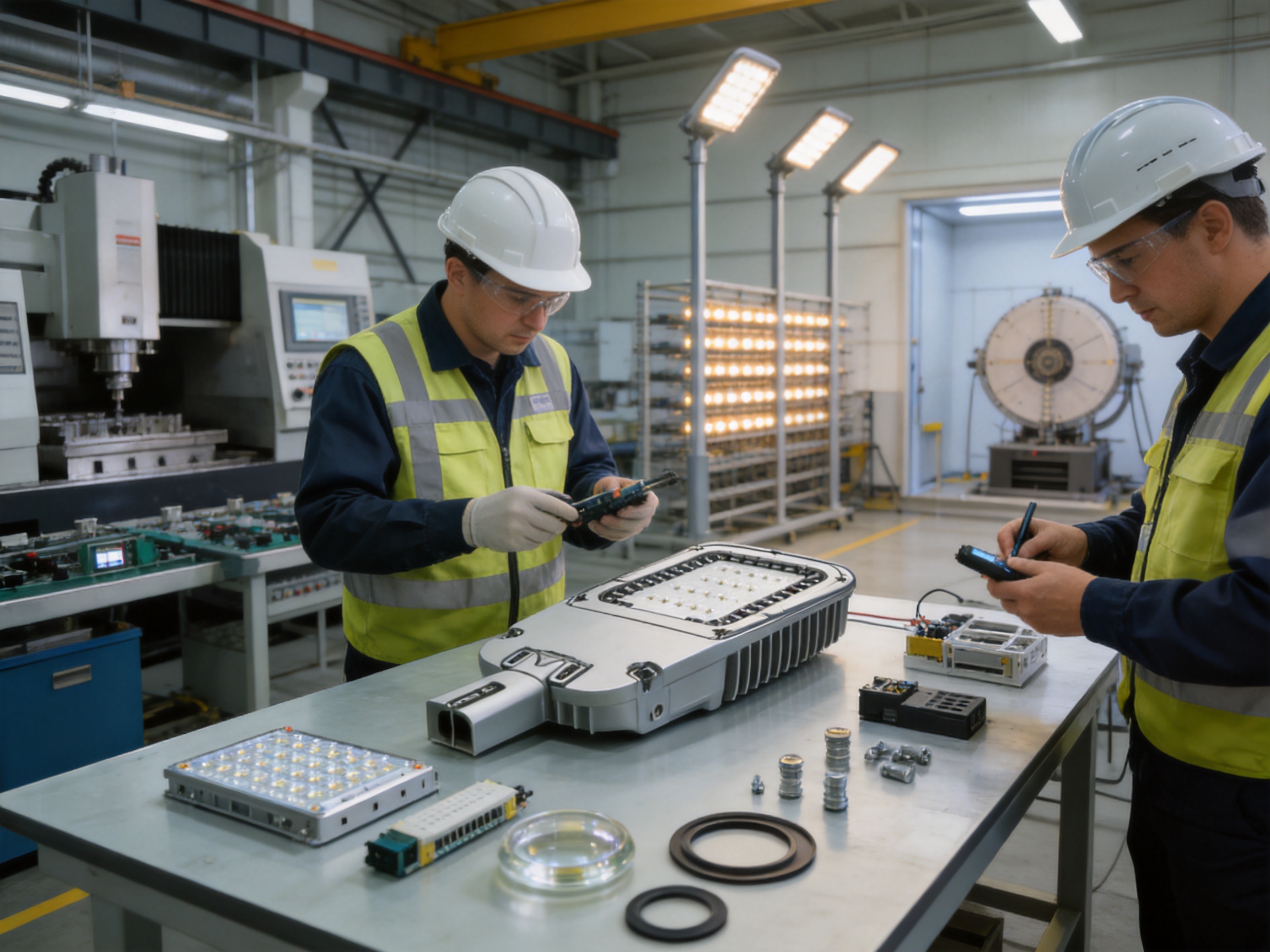
7. Advanced Manufacturing Capabilities
A lighting product’s market performance is closely related to the manufacturer’s process discipline. A good design may fail to deliver consistent results if the factory cannot control materials, dimensions, assembly, testing, and traceability. HuaSheng’s production capabilities are therefore an important part of the HS-FF19A value proposition.
Die-Casting and Mold Development
Die-casting enables the production of strong and repeatable metal housings at commercial scale. The process begins with mold design, in which engineers consider wall thickness, draft angles, cooling features, mounting points, internal clearances, and the flow of molten metal. A well-designed mold helps reduce defects and improves the consistency of the finished housing.
HuaSheng’s mold design capability supports both standard product production and customized development. For customers requiring a private appearance, revised mounting structure, branded housing details, or a modified component layout, mold engineering can be integrated into the product development process. This is useful for distributors, lighting brands, engineering contractors, and project owners seeking a differentiated fixture.
CNC Machining
CNC machining supports precision work after casting. It can improve the accuracy of mounting holes, threaded features, sealing surfaces, and component interfaces. Consistent machining is particularly valuable when a fixture must be assembled repeatedly with LED boards, drivers, lenses, covers, brackets, and electrical components.
Accurate mechanical interfaces can also simplify installation and replacement. When parts fit correctly, installers spend less time compensating for dimensional variation, and the risk of damage to gaskets, wires, or fasteners may be reduced. Over a large project, these small improvements can contribute to better installation efficiency and fewer field issues.
Aging Lines
Electronic products can benefit from controlled aging or burn-in procedures. During aging, luminaires may be operated for a defined period under controlled conditions to identify certain early-stage defects before shipment. This process does not replace design validation or laboratory testing, but it can add another level of production screening.
For street lighting, aging is especially relevant because fixtures may be installed in large numbers and at considerable height. Detecting a problem before delivery is generally more efficient than identifying it after installation. An organized aging line also helps the manufacturer manage repeatable production and inspection procedures.
Photometric Testing
Photometric equipment, including goniophotometers, is used to measure the distribution of light from a luminaire. The resulting data can support lighting calculations and help verify whether the optical system performs consistently with the intended design.
Photometric testing is valuable for project confidence. Buyers can use the data to evaluate light distribution, total output, beam characteristics, and other performance information relevant to DIALux or comparable design software. For customized products, testing can help confirm that a revised lens, LED configuration, or housing arrangement provides the expected result.
Quality Management
HuaSheng is described as holding ISO 9001, ISO 14001, and ISO 45001 certifications. These management systems relate respectively to quality management, environmental management, and occupational health and safety. Certification does not eliminate the need for product-specific inspection, but it demonstrates that the organization has established structured management practices in these areas.
The company also identifies relevant products as certified by CB and CE. The applicable certification and compliance requirements should be confirmed for each product configuration and destination market. Project buyers should request the relevant documentation, test reports, declarations, and technical files when required by local regulations or tender conditions.
8. Environmental and Energy Advantages
Energy consumption is a major operating cost in public and commercial lighting. A roadway may contain hundreds or thousands of fixtures, each operating for many hours every night. Even a moderate reduction in power consumption can produce meaningful savings over the life of the installation.
The HS-FF19A can support energy-conscious lighting strategies through efficient LED technology, appropriate optical distribution, and optional control configurations. The most effective savings are achieved when the fixture is correctly sized. Overspecifying output can increase energy use without improving the actual lighting result, while underspecifying output may create dark areas and require later upgrades.
Dimming can provide an additional reduction in energy use. For example, a lighting authority may choose a higher output during evening peak activity and a lower output during low-traffic hours. The correct dimming profile should consider road classification, pedestrian activity, security needs, local standards, and seasonal changes.
LEDs can also reduce the environmental burden associated with frequent lamp replacement. Longer service intervals may mean fewer replacement components, fewer maintenance journeys, and less disruption to traffic. The environmental outcome depends on the complete product life cycle, including manufacturing, packaging, transport, installation, maintenance, and end-of-life recycling.
ISO 14001 certification at the manufacturer level is relevant to customers with environmental procurement policies. It indicates that environmental management is incorporated into the company’s organizational processes. Buyers may still wish to request information about material composition, packaging, energy performance, recycling options, and the supplier’s environmental procedures.
| Evaluation Area | Value of the HS-FF19A Platform | Project Questions to Confirm |
|---|---|---|
| Energy efficiency | LED light source with configurable output and controlled optical distribution | What power, lumen output, dimming profile, and operating schedule are required? |
| Optical control | Application-based optical selection supported by photometric data | Which road class, pole height, spacing, and distribution are appropriate? |
| Mechanical durability | Outdoor housing produced through die-casting and precision machining | What environmental, wind, vibration, and corrosion conditions apply? |
| Quality assurance | Structured management systems, aging processes, and photometric testing | Which inspection records, certifications, and test reports are required? |
| Customization | OEM, ODM, mold design, and SKD or CKD support | Are private-label, mounting, electrical, optical, or packaging changes needed? |
| Project support | DIALux design assistance and one-stop lighting solution services | Can the supplier validate the proposed layout before mass installation? |
9. Advantages Compared with Less Advanced Competitor Products
Competition in the street lighting market is broad. Products may look similar from the outside while differing significantly in materials, electronics, testing, and process control. The HS-FF19A can offer advantages over less developed alternatives when its complete manufacturing and engineering platform is used correctly.
First, a project-grade LED street light is more than a low-cost lamp replacement. Less advanced products may focus on a low initial price while providing limited optical data, uncertain driver quality, minimal environmental protection, and little support for layout design. The HS-FF19A is positioned as part of a broader solution that includes photometric testing, design assistance, customization, and manufacturing support.
Second, die-casting and CNC machining can provide a more controlled mechanical structure than thin, poorly finished, or inconsistent housings. A robust housing may better support thermal transfer, component protection, and long-term mounting stability. The actual result depends on the chosen material and construction, but the manufacturing capability provides a stronger foundation for quality control.
Third, the ability to develop molds and customize the product helps customers avoid the limitations of a fixed, generic fixture. A lighting contractor may need a specific pole adapter. A brand owner may need a distinctive housing and packaging arrangement. A municipal project may require a selected control interface or a modified cable entry. The ability to manage these changes through an experienced factory can reduce coordination complexity.
Fourth, photometric equipment and DIALux support improve the likelihood that the selected luminaire will match the project. Some low-cost products are sold with limited or unreliable optical information, making it difficult to calculate spacing and uniformity. A supplier that can provide appropriate photometric data gives the project team a stronger basis for decision-making.
Fifth, certifications and management systems can support international procurement. Buyers operating across different markets often require evidence of quality, environmental, and safety management. The stated ISO certifications and CB and CE-related product certifications may help support tender submissions, technical reviews, and supplier evaluations, subject to confirmation for the exact model and configuration.
10. Applications for the HS-FF19A
Urban and Municipal Roads
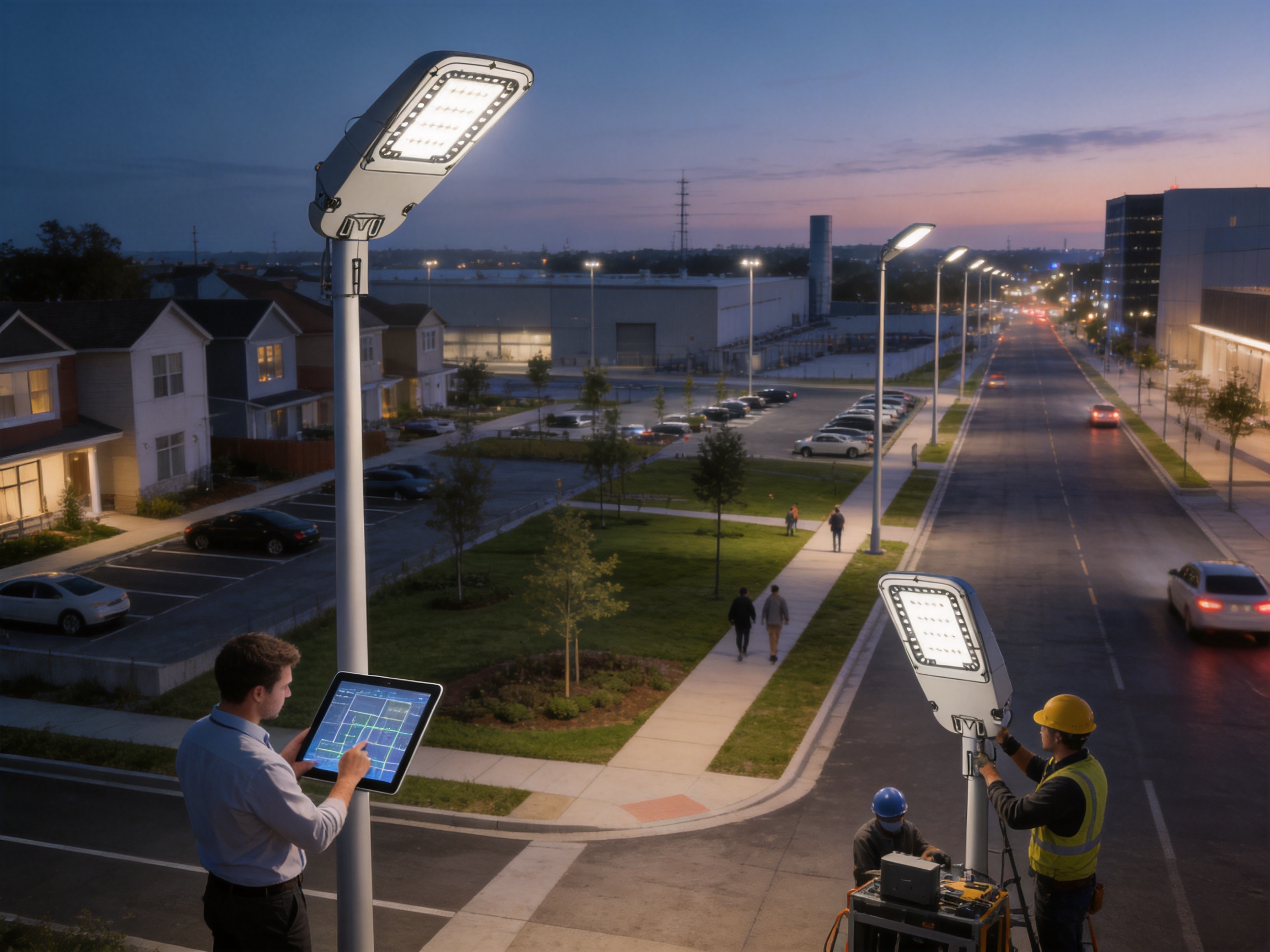
Urban roads require a balance between visibility, comfort, energy control, and architectural integration. The HS-FF19A can be considered for local streets, collector roads, intersections, public access routes, and municipal improvement programs. A project team may select different optical distributions and output levels for central roads, side streets, roundabouts, or pedestrian-adjacent areas.
Municipal projects often involve large quantities and extended maintenance responsibilities. Consistency between fixtures is therefore essential. A stable production process can help ensure that units supplied during different phases retain similar appearance, performance, and mounting compatibility.
Residential Communities
Residential streets and housing developments need lighting that supports safe movement without creating unnecessary glare into homes. A suitable design can provide comfortable illumination on roadways, sidewalks, entrances, and shared outdoor areas. Color temperature, dimming schedules, and optical shielding may be particularly important in these environments.
The HS-FF19A can be included in a coordinated outdoor lighting plan together with garden lights, facade lighting, and other exterior fixtures. A consistent approach helps create a visually coherent development while allowing each luminaire type to serve its specific purpose.
Industrial Parks and Logistics Areas
Industrial facilities often operate at night and require reliable illumination around roads, gates, warehouses, loading yards, and employee access areas. Lighting must support vehicle movement and operational visibility while resisting dust, vibration, and demanding working conditions.
For these projects, the street light may be combined with high-bay lights for interior spaces, tunnel lights for covered routes, and explosion-proof products where hazardous classifications require them. The relevant fixture must always be selected according to the site’s safety classification and regulatory requirements.
Parking Lots and Commercial Developments
Parking areas need broad, even illumination, especially around entrances, pedestrian crossings, payment points, ramps, and vehicle circulation lanes. The HS-FF19A can be evaluated for perimeter poles and internal parking rows, with the final arrangement confirmed through photometric modeling.
Commercial developments may also prioritize appearance. A clean and well-finished luminaire can contribute to the perceived quality of a retail center, office park, hotel, or mixed-use project. Housing color, bracket style, light appearance, and control scheduling can be coordinated with the overall design concept.
Public Campuses and Institutional Sites
Schools, hospitals, universities, government compounds, and transportation facilities require dependable outdoor lighting for roads, paths, service areas, and emergency access. These sites may have a mixture of pedestrians, cars, bicycles, and service vehicles, making uniformity and glare control important.
Institutional buyers may also place emphasis on documentation, safety procedures, environmental management, and long-term spare-part support. A manufacturer with established quality and engineering processes can help address these procurement requirements.
11. Customization and OEM or ODM Development
Standard products are suitable for many projects, but some customers require more specific solutions. The HS-FF19A platform can be considered for OEM and ODM programs in which the customer’s technical and commercial requirements are incorporated into the final product.
Customization may include the external finish, logo placement, packaging, mounting adapter, cable length, connector arrangement, driver selection, surge protection, LED configuration, color temperature, optical lens, dimming interface, or control compatibility. Every change should be evaluated for its effect on heat dissipation, ingress protection, electrical safety, photometric performance, and production repeatability.
Private-label customers may benefit from a coordinated development process. The manufacturer can support product drawings, mold development, samples, technical review, pilot production, testing, and mass production. This is more effective than making isolated changes without considering the entire fixture.
SKD and CKD customization may also be relevant to customers with local assembly operations or regional distribution strategies. In such cases, packaging, component identification, assembly instructions, quality checkpoints, and logistics planning must be clearly defined. The supplier and buyer should agree on responsibility for final assembly, testing, warranty handling, and regulatory compliance.
Customization should not be understood as unlimited modification without engineering consequences. A new housing shape may alter thermal behavior. A different lens may change the distribution pattern. A revised driver may affect dimming or surge performance. A different coating may influence corrosion resistance. Professional engineering review is therefore essential before approving a customized design.
12. DIALux Design and Project Engineering
Lighting calculations help transform product data into a practical installation plan. DIALux or equivalent software can model roads, poles, mounting heights, fixture orientation, spacing, surface reflectance, and traffic zones. The objective is to verify whether the proposed design meets the project’s required illumination and uniformity criteria.
For the HS-FF19A, the design process should begin with accurate site information. This includes road width, lane arrangement, sidewalk position, pole location, pole height, outreach length, mounting angle, pavement characteristics, surrounding structures, and any areas that require special attention. Incomplete input data can produce misleading results regardless of the quality of the luminaire.
The design team should compare more than one configuration where appropriate. A lower-power fixture with closer spacing may produce a different result from a higher-power fixture with wider spacing. The best option depends on installation cost, energy consumption, maintenance access, visual comfort, and the required lighting class.
Photometric files and test data should be associated with the exact product configuration being considered. A change in LED board, lens, driver, tilt angle, or housing may alter the results. Buyers should ensure that the final delivered product corresponds to the data used in the calculation.
After installation, commissioning checks can help confirm the project outcome. These may include verifying fixture orientation, pole spacing, control settings, dimming schedules, electrical connections, and representative nighttime illumination. Documentation from the design stage can then be retained for future maintenance and expansion.
13. Installation and Maintenance Considerations
Correct installation is essential to achieving the expected performance of any street light. Before mounting the HS-FF19A, installers should inspect the housing, lens, bracket, cable entry, fasteners, and electrical components for transport damage. The fixture should not be installed if sealing surfaces are cracked, the lens is damaged, or cables show signs of abrasion.
The mounting interface should be checked against the pole arm or bracket. The diameter, insertion depth, bolt arrangement, adjustment range, and required tilt should match the product documentation. The fixture should be secured with appropriate hardware and tightened using a controlled method. Excessive force can damage components, while insufficient tightening can allow movement in wind.
Electrical work should be performed by qualified personnel in accordance with local regulations. The supply voltage, frequency, grounding arrangement, circuit protection, surge protection, and control wiring should be verified before energizing the system. Power must be isolated during installation and maintenance.
The luminaire should be aimed according to the approved lighting calculation. Even a small change in tilt can affect the light distribution on the road and may increase glare or reduce uniformity. Installation teams should record the final orientation and any field adjustments for future reference.
Maintenance programs should include periodic visual inspection, cleaning where necessary, checking of mounting hardware, examination of cable entries, and review of control operation. In coastal or industrial environments, inspection intervals may need to be shorter. Any corrosion, water ingress, cracked lens, loose bracket, or abnormal flicker should be investigated promptly.
Replacement planning is also important. Operators should retain information about the model, configuration, driver, optical distribution, installation date, and supplier contact. For large projects, keeping a reasonable stock of critical replacement components can reduce downtime and simplify future service.
14. Procurement Checklist for Project Buyers
Purchasing a street light solely on the basis of unit price can create hidden costs. A better evaluation considers the complete cost of ownership, including energy, installation, maintenance, replacement access, spare parts, warranty administration, and compliance documentation.
Before placing an order, buyers should identify the required application and performance level. The relevant questions include the road classification, traffic speed, pedestrian activity, pole height, spacing, ambient temperature, humidity, pollution, coastal exposure, wind conditions, and control requirements.
The buyer should request a complete technical specification for the exact configuration. This may include rated power, input voltage, frequency, power factor, surge protection, LED performance, color temperature, color rendering, optical distribution, operating temperature, housing material, finish, ingress protection, mounting dimensions, and control interface.
Photometric files and test data should be reviewed by the lighting designer. If a DIALux calculation is required, the fixture data must correspond to the product that will be supplied. Any substitutions should be formally approved before shipment.
Quality documentation should be agreed in advance. Depending on the destination market and contract, this may include inspection reports, electrical safety documents, material information, environmental declarations, production records, aging results, photometric reports, and certification documents. The applicability of CB, CE, and other marks should be confirmed for the final model.
Sample approval is recommended for customized products. The customer should evaluate appearance, dimensions, mounting fit, finish, light output, optical pattern, driver behavior, control compatibility, and packaging before mass production. A signed sample or approved technical drawing can reduce misunderstanding between the parties.
Delivery planning should include packaging protection, labeling, spare parts, installation instructions, and shipping configuration. For international projects, the buyer should also confirm the required plug, cable, connector, voltage, documentation language, customs information, and shipping terms.
15. Total Cost of Ownership
The initial purchase price is only one element of a street lighting project. Total cost of ownership includes the cost of electricity over the operating life, routine inspections, cleaning, access equipment, replacement parts, traffic management, labor, and disposal. A product with a modestly higher purchase price may be more economical if it reduces energy use and maintenance activity.
Energy calculations should use realistic operating schedules. If the fixture operates at full power throughout the night, the annual consumption will differ from a system that uses scheduled dimming. The calculation should also consider local electricity prices and projected operating years. For large projects, even a small difference in watts per fixture can have a substantial cumulative effect.
Maintenance costs are affected by pole height, road traffic, climate, access restrictions, and labor rates. A reliable fixture with a stable driver and durable housing may reduce the frequency of service visits, but the actual outcome depends on site conditions and maintenance practice. Buyers should therefore evaluate product quality together with installation design and operating procedures.
Standardization can reduce long-term costs. Using a consistent product family across several locations may simplify spare parts, training, inspection, and replacement. The HS-FF19A can be integrated into a broader outdoor lighting portfolio, allowing project owners to coordinate street, garden, facade, industrial, and solar lighting requirements through one manufacturing partner where appropriate.
16. Why the Manufacturer’s Broader Portfolio Matters
Outdoor lighting projects rarely involve only one fixture type. A municipal or industrial site may require street lights on access roads, high-bay lights inside workshops, tunnel lights under covered routes, garden lights along pedestrian paths, facade lights on buildings, and solar lights in areas without convenient grid access. Explosion-proof products may be required in classified hazardous zones.
HuaSheng’s broader product range allows customers to discuss multiple lighting needs with a manufacturer familiar with different applications. This can support more consistent technical coordination, although each product must still be evaluated for its specific environment and compliance requirements.
The company’s one-stop service model includes efficient lighting solutions, DIALux designs, mold design, OEM and ODM development, SKD and CKD customization, and delivery. These services can reduce the number of separate suppliers involved in a project and make it easier to coordinate product appearance, packaging, technical documentation, and production schedules.
A broader portfolio also supports phased development. A customer may begin with a street lighting project and later require lighting for a factory, warehouse, campus, garden, or facade. A supplier that understands the customer’s standards and operating environment may be able to support later expansion more efficiently.
17. Sustainability and Responsible Manufacturing
Responsible lighting design considers both operational efficiency and manufacturing impact. Efficient LEDs can reduce electricity consumption during use, while durable construction can reduce the need for frequent replacement. A well-designed fixture should also be serviceable and, where practical, recoverable or recyclable at the end of its operating life.
Environmental management includes more than energy performance. It can involve material selection, production waste, water use, emissions, packaging, chemical handling, logistics, and employee safety. HuaSheng’s stated ISO 14001 certification indicates that environmental management is included within its organizational framework.
Occupational safety is also relevant to responsible manufacturing. Die-casting, CNC machining, electrical assembly, coating, testing, and warehouse operations each involve different risks. ISO 45001 certification indicates that the company maintains a formal occupational health and safety management approach.
Customers with sustainability targets should request the information needed for their own reporting. This may include product weight, packaging composition, material declarations, energy data, expected service information, and end-of-life handling guidance. Transparent communication helps buyers make decisions that align with environmental procurement policies.
18. Quality Assurance from Design to Delivery
Quality begins before production. A clear technical specification, approved drawing, defined bill of materials, and controlled sample provide the foundation for consistent manufacturing. For a customized HS-FF19A, the customer and manufacturer should agree on the exact appearance, dimensions, electrical parts, optical components, finish, labeling, and performance requirements.
During production, incoming materials should be checked against the approved requirements. Housing dimensions, surface finish, LED modules, drivers, lenses, seals, wiring, and fasteners can all influence final quality. Process inspections should identify deviations before they move to the next stage.
Assembly quality includes correct thermal interface materials, proper screw tightening, wire routing, connector engagement, gasket placement, and sealing. These details may not be visible from the outside, but they directly affect reliability and safety.
Functional testing can verify switching, output, electrical characteristics, dimming behavior, and abnormal conditions where applicable. Aging can provide additional screening, while photometric testing supports optical consistency. Final inspection should confirm appearance, labeling, packaging, and the completeness of required accessories and documents.
For large orders, batch traceability is valuable. Production records can help identify the manufacturing date, component lot, inspection status, and shipment details. This information supports warranty handling, field analysis, and future replacement planning.
19. Frequently Asked Questions
What is the HS-FF19A?
The HS-FF19A is a professional LED street light designed for outdoor roadway, municipal, residential, industrial, parking, campus, and commercial lighting applications. Its final performance depends on the selected configuration and installation conditions.
Can the HS-FF19A be used on different types of roads?
Yes, the product platform can be evaluated for different roadway applications, including urban streets, residential roads, industrial access routes, parking areas, and public campuses. The optical distribution, power, pole height, spacing, mounting angle, and control schedule should be selected through project-specific calculations.
Does the product support customization?
Customization may include optical components, electrical configuration, mounting details, finish, branding, packaging, cable arrangements, and control options. Any modification should be reviewed by the manufacturer to confirm thermal, electrical, mechanical, photometric, and environmental performance.
Can the manufacturer provide lighting calculations?
HuaSheng provides DIALux design support as part of its lighting solution services. The calculation should use accurate site information and photometric data for the exact fixture configuration being proposed.
What manufacturing processes support the product?
The company uses die-casting and CNC machining capabilities for metal components, aging lines for production screening, and goniophotometers for photometric evaluation. It also supports mold design, OEM and ODM development, and customized assembly arrangements.
Is the HS-FF19A suitable for coastal or industrial environments?
It may be suitable when configured and finished for the specific environmental conditions. Coastal, chemical, dusty, or high-humidity sites require careful selection of coating, fasteners, seals, cable entries, surge protection, and maintenance procedures. The required protection level should be confirmed before ordering.
Can the fixture be dimmed?
Dimming availability depends on the selected driver and control configuration. Buyers should define the required dimming method, schedule, control protocol, and compatibility with the site’s management system during the specification stage.
What certifications are available?
HuaSheng states that it is certified to ISO 9001, ISO 14001, and ISO 45001, and that relevant products are certified by CB and CE. Buyers should request the documents applicable to the exact HS-FF19A configuration and destination market.
How should the product be maintained?
Maintenance should include periodic visual inspection, cleaning where needed, checking of mounting hardware, examination of cable entries and seals, verification of control operation, and investigation of flicker, water ingress, corrosion, or abnormal output. Maintenance intervals should reflect local environmental conditions.
What information should be provided for a quotation?
A useful quotation request should include the quantity, project location, road dimensions, pole height, pole spacing, required illumination criteria, input voltage, operating schedule, control requirements, color temperature, environmental conditions, certification needs, mounting details, packaging requirements, and delivery destination.
Can the HS-FF19A be supplied for private-label projects?
The manufacturer offers OEM and ODM services, so private-label development may be possible. The customer should discuss logo requirements, mold ownership, packaging, minimum order quantity, technical approvals, testing, intellectual property, and warranty responsibilities before production.
Why is photometric data important?
Photometric data describes how the fixture distributes light. It allows a designer to calculate pole spacing, illuminance, uniformity, and other project factors. Without reliable data, it is difficult to predict the actual lighting result before installation.
20. Recommended Project Development Process
A successful HS-FF19A project can follow a structured sequence. First, the customer defines the application, site conditions, performance targets, operating schedule, and regulatory requirements. This stage prevents unsuitable products from being selected solely because of a nominal wattage or low price.
Second, the manufacturer and lighting designer review the site information and propose one or more configurations. The review should include optical distribution, power, color temperature, mounting arrangement, control, environmental protection, and expected maintenance conditions.
Third, DIALux or equivalent calculations are prepared. The customer reviews the results and confirms that the proposed arrangement meets the project’s technical objectives. If the project has special pedestrian, architectural, ecological, or security requirements, these should be included in the design discussion.
Fourth, samples are produced or selected for evaluation. The customer checks mechanical fit, visual appearance, electrical compatibility, light quality, control response, and documentation. Customized products should not proceed to mass production until the relevant sample or drawing is formally approved.
Fifth, production and quality control are carried out according to the agreed specification. The parties should define inspection points, sample size, acceptance criteria, packing method, and required reports before production begins.
Finally, installation, commissioning, and after-sales support are completed. The project owner should retain product records and ensure that installers understand mounting, aiming, wiring, control, and maintenance requirements. This complete process helps protect the investment and improve long-term performance.
21. Conclusion
The HS-FF19A Street Light is designed for customers seeking a dependable LED platform for professional outdoor lighting. Its potential advantages come from the combination of LED efficiency, controlled optical design, robust metal manufacturing, precision machining, production aging, photometric testing, customization support, and project-oriented engineering services.
Compared with less advanced competitor products that may provide limited data or minimal customization, the HS-FF19A can offer a more complete path from lighting concept to manufactured fixture. HuaSheng’s capabilities in die-casting, CNC machining, mold design, DIALux support, OEM and ODM development, and SKD or CKD customization are valuable for projects that require technical coordination and repeatable supply.
The best results depend on correct specification. Buyers should confirm the required power, lumen output, optical distribution, color temperature, control method, environmental protection, mounting interface, certifications, and documentation for the exact application. A photometric design should be completed before installation, and the final product should match the approved configuration.
For municipalities, contractors, industrial operators, distributors, developers, and lighting brands, the HS-FF19A provides a practical foundation for efficient and durable roadway illumination. When supported by appropriate design, manufacturing control, installation, and maintenance, it can contribute to safer roads, lower operating costs, better visual comfort, and more sustainable outdoor infrastructure.
References
International Organization for Standardization. ISO 9001 Quality Management Systems: Requirements.
International Organization for Standardization. ISO 14001 Environmental Management Systems: Requirements with Guidance for Use.
International Organization for Standardization. ISO 45001 Occupational Health and Safety Management Systems: Requirements with Guidance for Use.
International Commission on Illumination. Principles of Outdoor Lighting and Roadway Photometry.
International Electrotechnical Commission. LED Modules for General Lighting: Performance and Safety Considerations.
International Electrotechnical Commission. Requirements for Road and Street Lighting Equipment.
International Commission on Illumination. Guide to the Lighting of Roads for Motor and Pedestrian Traffic.
IES. Lighting Handbook: Reference and Application Guidance for Outdoor Lighting.
IES. Recommended Practice for Design and Maintenance of Roadway and Parking Facility Lighting.
HuaSheng Lighting. Product, Manufacturing, Quality Management, and Lighting Solution Information for Professional LED Outdoor Lighting.
Product: Street Light

YQF Group - World Leading One-Stop Lighting & Solar For the Global Partners
Custom & OEM Solutions for Global Lighting Brands
Copyright © Cixi HuaSheng Lighting Co., Ltd. All Rights Reserved.
Die-Casting Mould Supplier
