 English
 中文
中文 Pусский
 French
 Español
 عربى
عربى
LED Outdoor Lighting Manufacturer Crafts Weatherproof Fixtures
Outdoor spaces need steady, clear light after dark. Parks, walkways, parking areas, and building exteriors all benefit from fixtures that stay bright and consistent through rain, wind, and temperature shifts. An LED Outdoor Lighting Manufacturer designs and produces these fixtures, turning electronic components and housings into practical lighting solutions for public and private settings.
Core Design Elements
The process starts with understanding the intended location. A pathway light needs soft, downward illumination that guides footsteps without glare. A flood light requires a wider beam that covers larger open areas. Street fixtures demand even distribution along roads so drivers and pedestrians can see clearly. Designers map the light pattern first, choosing lenses and reflectors that shape the output to match each use.
LED chips form the heart of every unit. These small sources convert electricity into light with low heat output. The manufacturer selects chips that deliver stable brightness across a range of outdoor temperatures. Drivers and power supplies sit inside sealed compartments so moisture cannot reach the sensitive parts. Heat sinks draw warmth away from the chips, helping the light maintain steady performance over long hours of operation.
Materials That Stand Up to Weather
Housings are usually cast aluminum or tough polymer. Aluminum offers strength and helps with heat dissipation. Polymer options reduce weight and resist corrosion in coastal or industrial zones. Gaskets and seals keep water and dust outside the optical chamber. Glass or polycarbonate covers protect the lenses while allowing light to pass through cleanly.
Surface finishes receive attention as well. Powder coatings or anodized layers guard against fading and surface wear. Color choices range from dark bronze and black for discreet placement to lighter tones that blend with modern architecture. Mounting hardware is sized to match common poles, walls, or ground stakes so installation stays straightforward.
Range of Fixture Types
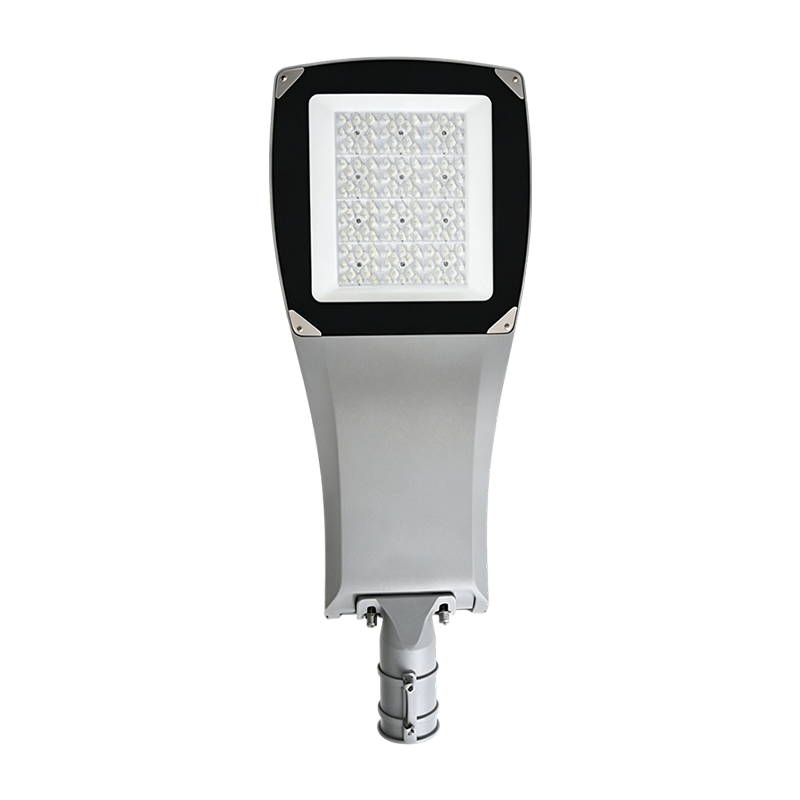
An LED Outdoor Lighting Manufacturer typically offers several families of products. Pathway and garden lights sit low and cast gentle pools of light along borders or steps. Bollard lights stand a bit taller and mark edges of plazas or driveways. Wall-mounted units wash building faces or illuminate entrances. Flood and area lights cover wider zones such as parking lots or sports courts. Street and roadway fixtures mount on poles and deliver uniform coverage for traffic routes.
Each type shares the same basic construction principles: sealed electronics, controlled optics, and durable outer shells. Beam angles, lumen levels, and mounting styles vary so project planners can match the fixture to the exact space.
Optical Control and Light Distribution
Optics play a central role in outdoor performance. Lenses and reflectors direct light where it is needed and limit spill into unwanted areas. Cut-off designs reduce upward light that can interfere with night skies. Asymmetric patterns push more light onto a roadway or path while keeping the opposite side darker. These optical choices improve visibility for users and keep the overall scene comfortable.
Color temperature options give further flexibility. Warmer tones create a welcoming feel near homes and restaurants. Cooler tones suit security-focused zones or industrial yards. Consistent color across a batch of fixtures helps large installations look uniform once installed.
An LED Outdoor Lighting Manufacturer focuses on turning solid engineering into outdoor fixtures that perform steadily under real weather conditions. From the choice of chips and optics to the final sealed housing, each step aims at clear, consistent light for pathways, streets, gardens, and open areas. The finished products give designers and facility managers practical tools for illuminating outdoor spaces after dark.
Custom & OEM Solutions for Global Lighting Brands
Copyright © Cixi HuaSheng Lighting Co., Ltd. All Rights Reserved.
Die-Casting Mould Supplier
